Why Radiant Heat and Hardwood Need Careful Pairing
Bellevue homeowners love radiant heat for its quiet, consistent warmth—no clunky vents, no blowing dust, just cozy floors. But not every hardwood can handle the expansion and contraction that comes with heating from below. The wrong pairing can lead to warping, gaps, or squeaks.
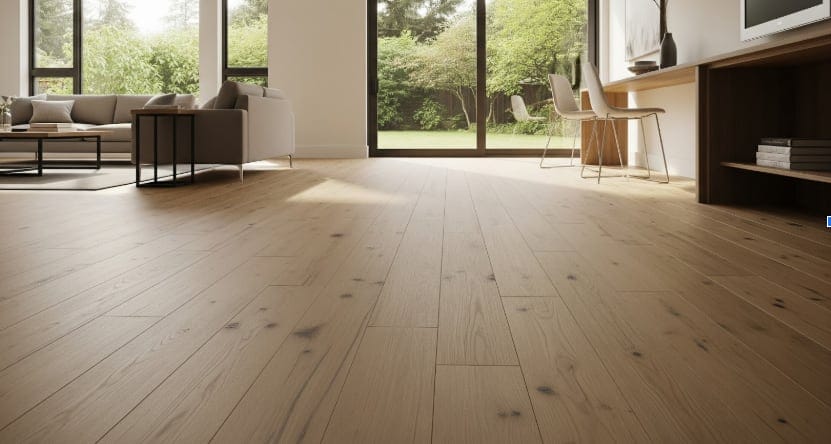
That’s where engineered hardwood flooring comes in. Built in layers, engineered planks are more dimensionally stable than solid hardwood, making them a strong match for radiant systems in Bellevue’s damp, cool climate. Whether you’re renovating a Craftsman home in Wilburton or outfitting a new condo downtown, knowing which products work with radiant setups ensures comfort and longevity.
This guide breaks down the key features to look for, the best wood species for radiant heat, and practical installation and maintenance tips. It’s a straightforward roadmap to finding floors that look beautiful and perform reliably in 2025.
For expert advice and local support, Nielsen Brothers Flooring has been helping Bellevue homeowners make the right flooring decisions since 1946.
Why Engineered Hardwood Works with Radiant Heat
Engineered hardwood isn’t just “wood lite.” Its layered construction—usually a hardwood veneer on top of a plywood or high-density fiberboard base—helps it withstand changes in heat and humidity better than solid planks.
Key advantages for radiant systems:
-
Stability: Cross-layered cores reduce expansion and contraction.
-
Compatibility: Most reputable engineered lines are rated safe for radiant use.
-
Style without compromise: The top veneer is real hardwood, offering the warmth and grain people expect.
-
Variety: Available in wide planks, trendy finishes, and sustainable species.
Solid hardwood, on the other hand, often reacts strongly to radiant heating’s cycles. That’s why engineered flooring is the go-to choice in Bellevue for radiant-ready installs.
Best Wood Species for Radiant Heat Systems
Not every species behaves the same when heated from below. Here’s a breakdown of popular options:
Oak
-
Durable, stable, and widely available.
-
Handles humidity changes gracefully.
-
Classic look that works in both traditional and modern Bellevue interiors.
Hickory
-
Very hard, making it resistant to dents.
-
Slightly more movement than oak but performs well in engineered form.
-
Rustic patterns fit Pacific Northwest lodge-style homes.
Maple
-
Clean, light grain and contemporary style.
-
A bit temperamental with heat—choose only engineered versions rated for radiant use.
Walnut
-
Rich, dark tones bring sophistication.
-
Softer than oak or hickory but stable in engineered form.
-
Best for lower-traffic living and dining spaces.
Bamboo (technically grass)
-
Highly sustainable.
-
Engineered bamboo planks can work with radiant systems.
-
Offers a modern, eco-friendly aesthetic.
For most Bellevue households, engineered oak strikes the best balance of style, durability, and radiant compatibility.
Thickness, Veneer, and Core: What to Look For
Radiant heat puts extra demands on hardwood. Specs matter more than ever.
-
Plank thickness: Aim for 3/8″ to 1/2″ engineered planks—thin enough for efficient heat transfer, thick enough for durability.
-
Wear layer: A veneer of at least 2–4 mm ensures longevity and allows for refinishing down the line.
-
Core layers: Plywood or HDF with cross-grain construction provides dimensionally stable support.
-
Finish type: UV-cured urethane or aluminum oxide coatings add scratch resistance and protect from everyday Bellevue grit.
Bottom line: Look for products labeled specifically as “radiant heat approved.” It’s not just marketing—it means they’ve been tested for thermal performance and stability.
Installation Tips for Radiant-Heat Hardwood
Radiant heating systems require careful installation to avoid issues.
Moisture prep
-
Test subfloor moisture before installation.
-
Keep Bellevue’s damp winters in mind—vapor barriers may be necessary.
Acclimation
-
Let engineered hardwood acclimate in the space for several days with the radiant system set to normal living temperatures.
Installation method
-
Floating floors allow some movement and are common with radiant setups.
-
Glue-down can work too, but only with adhesives rated for heat.
-
Nails are less common with radiant because of potential pipe damage.
Temperature control
-
Keep radiant heat below 85°F.
-
Avoid rapid temperature changes that stress the wood.
These details aren’t just fine print—they determine whether your hardwood floor lasts 20 years or five.
Maintenance for Radiant-Heat Hardwood Floors
Once installed, care is straightforward, but it matters.
-
Humidity balance: Aim for 30–50% indoor humidity to prevent gapping or swelling.
-
Cleaning routine: Vacuum with a soft brush attachment, mop lightly with approved hardwood cleaner.
-
Furniture pads: Protect against scratches from chairs and tables.
-
Seasonal checks: Monitor for minor expansion gaps in winter, normal for Bellevue’s cool, damp climate.
Well-maintained engineered hardwood over radiant heat is built for the long haul. It gives you both the comfort of warm floors and the beauty of hardwood grain.
Cost and Value in Bellevue Homes
Engineered hardwood is an investment, but one that pays off.
-
Cost range: Typically $8–$14 per square foot installed, depending on species and finish.
-
Energy efficiency: Radiant systems are efficient, so pairing them with the right flooring adds long-term savings.
-
Resale boost: Warm hardwood floors add comfort and value—especially appealing in Bellevue’s competitive housing market.
When you consider both lifestyle and property value, radiant-ready engineered hardwood proves its worth.
Where to See and Compare Options in Bellevue
Photos and specs help, but nothing replaces seeing samples in person—especially with hardwood. Bellevue homeowners can explore textures, tones, and plank widths at local showrooms and compare them under real lighting.
To get started, browse a trusted collection of hardwood flooring designed for modern heating systems. For a personalized match, the team at Nielsen Brothers Flooring can bring samples directly to your home.
Ready to plan your project? Don’t hesitate to reach out to us for expert help selecting radiant-approved engineered hardwood that fits your space.