Why Flooring and Countertops Should Always Be Planned Together
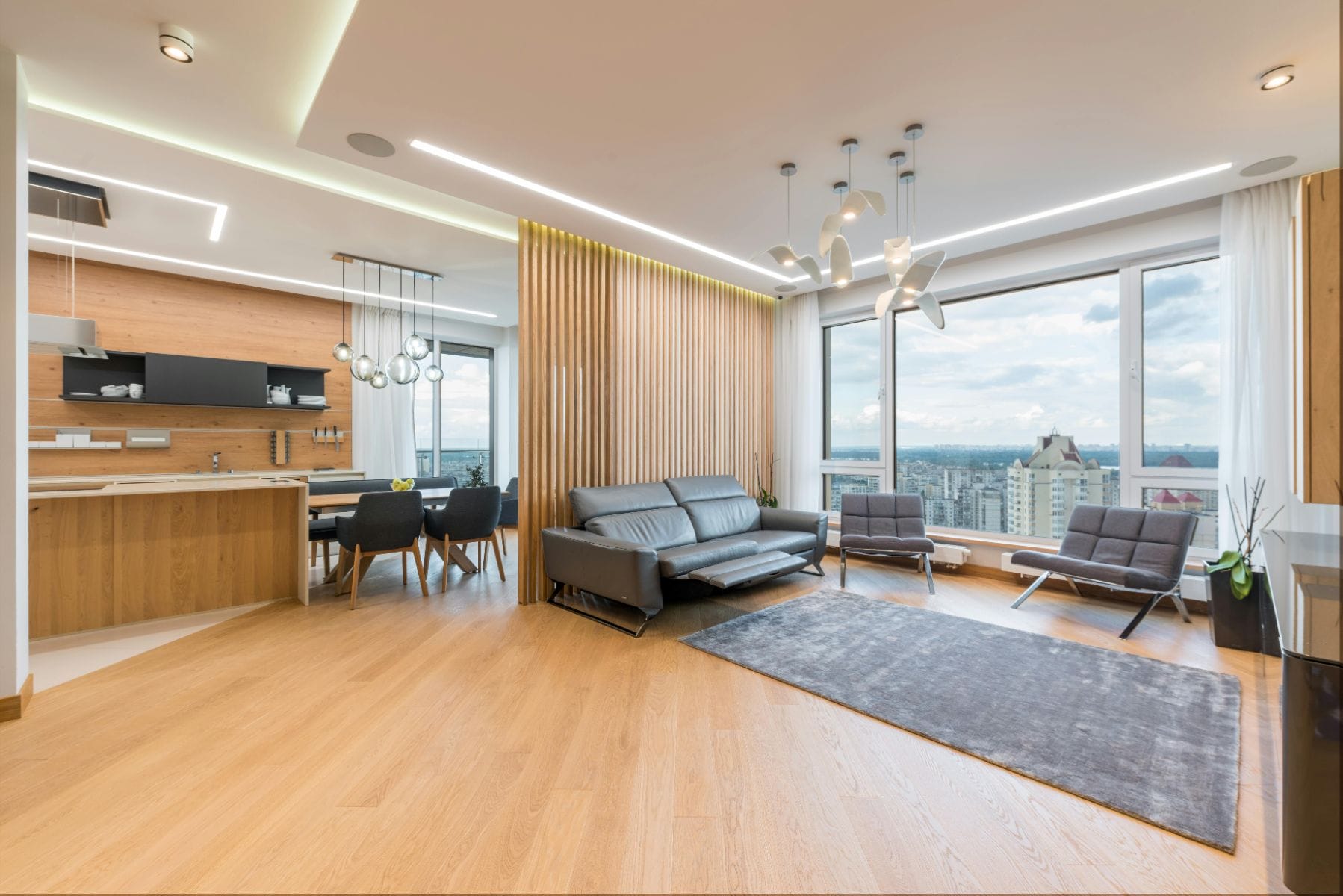
When homeowners start a remodel, it’s common to choose flooring first and think about countertops later. But in reality, these two surfaces define the entire look and feel of a space. In Lynnwood homes, where open layouts and natural light are common, mismatched materials can stand out quickly — while well-coordinated combinations create a polished, intentional design.
Flooring and countertops share visual space every single day. They influence color balance, texture, and how large or bright a room feels. That’s why designers often recommend choosing them as a pair rather than as separate decisions.
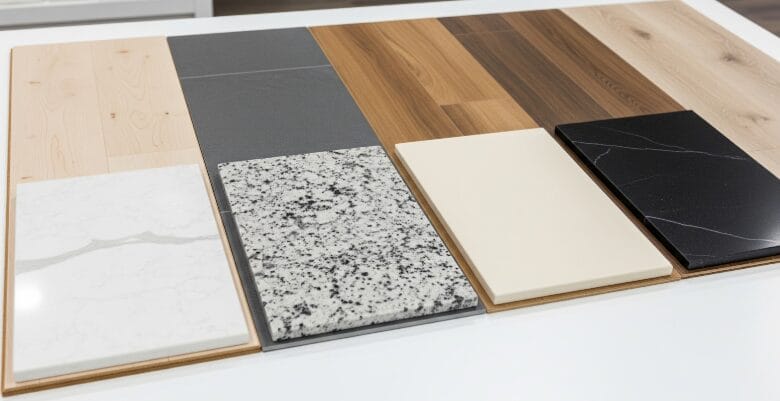
At Nielsen Brothers Flooring, homeowners often discover that seeing materials side by side makes decision-making easier. Instead of guessing how tones will work together, they can compare samples and create combinations that feel cohesive and stylish.
This guide walks through practical, no-fail flooring and countertop pairings that work beautifully in Lynnwood homes. You’ll learn how to balance colors, avoid common mistakes, and build combinations that feel timeless while still reflecting modern design trends.
Understanding the Design Relationship Between Floors and Countertops
Flooring and countertops each play a different role in design, but they need to complement one another. Floors usually cover the largest visual area in a room, creating the base tone. Countertops, meanwhile, act as focal points that draw the eye.
When these elements clash, a room can feel visually busy. When they coordinate, everything feels calm and balanced.
Key design principles include:
-
Contrast creates visual interest
-
Similar undertones create harmony
-
Texture balance adds depth
-
Scale and pattern influence room perception
For example, if flooring has strong grain patterns, countertops often look best when they’re more subtle. On the other hand, simple flooring can support countertops with bolder movement or veining.
Lighting also matters in the Pacific Northwest. Lynnwood homes often receive soft natural light, so warm undertones tend to feel more inviting than overly cool combinations. Testing samples together under real lighting conditions helps homeowners avoid surprises once installation is complete.
Warm Wood Floors + Light Quartz: A Timeless Combination
One of the most reliable pairings continues to be warm wood-look flooring combined with light quartz countertops. This combination feels fresh, clean, and welcoming without becoming overly trendy.
Why it works:
-
Warm flooring adds comfort and depth
-
Light countertops reflect light and brighten the space
-
The contrast feels natural rather than dramatic
-
It suits both modern and traditional homes
Homeowners often choose this pairing because it adapts easily to changing décor styles. Whether your kitchen leans coastal, modern farmhouse, or contemporary, the combination remains flexible.
Design tips:
-
Choose flooring with soft, natural grain patterns
-
Avoid overly yellow tones if countertops are cool white
-
Add matte hardware for a balanced finish
This pairing is especially effective in Lynnwood kitchens where natural light may vary throughout the year. The light countertops help keep spaces feeling open during darker winter months.
Cool Gray Floors + Marble-Look Counters: Clean and Contemporary
For homeowners who prefer a modern look, cool gray flooring paired with marble-inspired countertops creates a crisp, elegant style. The key here is subtle coordination rather than exact matching.
Benefits of this combination:
-
Creates a clean, contemporary aesthetic
-
Works well in open-concept layouts
-
Complements stainless steel appliances
-
Feels sophisticated without being overly formal
The trick is balancing cool tones so the room doesn’t feel sterile. Adding warm wood accents or soft lighting helps keep the space inviting.
When selecting surfaces, look for gentle veining rather than overly dramatic patterns. This keeps the overall design calm and cohesive while still adding visual interest.
Natural Wood Looks + Earth-Tone Countertops for Cozy Northwest Style
Pacific Northwest homes often embrace natural textures, and pairing wood-look floors with earthy countertops is a great way to reflect that regional style.
Popular countertop tones include:
-
Soft taupe
-
Warm beige
-
Subtle brown veining
-
Muted stone-inspired colors
This combination feels grounded and comfortable, making it ideal for family homes where warmth matters just as much as style.
Homeowners exploring options for kitchen countertops often find that earth-toned surfaces pair beautifully with a wide range of flooring styles, allowing flexibility while maintaining a cohesive design.
Adding greenery, natural textiles, or warm lighting enhances the cozy feel and helps create a space that feels both modern and timeless.
Light Floors + Bold Countertops: Creating a Balanced Statement
Some homeowners want their countertops to stand out. In that case, lighter flooring provides the perfect supporting role.
Why this pairing works:
-
Light floors prevent bold counters from overwhelming the space
-
Creates strong visual focus in kitchens
-
Helps smaller spaces feel larger
-
Allows more creativity with countertop patterns
Bold countertops might include dramatic veining, darker tones, or unique textures. The key is keeping flooring simple so the overall design feels balanced rather than busy.
Tips for success:
-
Choose flooring with minimal pattern variation
-
Keep cabinet colors neutral
-
Use simple backsplashes to avoid competition
This approach works especially well in remodels where homeowners want a modern upgrade without replacing every design element.
Matching Undertones: The Secret to No-Fail Pairings
One of the most common mistakes homeowners make is mixing warm and cool undertones unintentionally. Even when colors seem similar, undertones can clash and make a room feel slightly “off.”
Quick ways to check undertones:
-
Warm tones: hints of yellow, gold, or red
-
Cool tones: hints of blue, gray, or silver
-
Neutral tones: balanced without strong color bias
When flooring and countertops share similar undertones, the space feels naturally cohesive. This doesn’t mean everything has to match exactly — contrast is still important — but underlying tones should feel compatible.
Bringing samples home and viewing them together at different times of day helps confirm whether tones truly work together.
Why Seeing Samples Together Makes All the Difference
Online photos can be helpful for inspiration, but nothing replaces seeing materials side by side in real life. Colors shift under different lighting, and textures often look very different in person.
Benefits of comparing samples together:
-
Confirms color harmony
-
Reveals undertone differences
-
Helps visualize the final space
-
Reduces design uncertainty
Many homeowners find that combinations they loved online feel different once viewed together physically. Taking the time to compare options helps avoid costly surprises and leads to more confident decisions.
A thoughtful sample process turns design choices into an enjoyable experience rather than a guessing game.
Common Pairing Mistakes Homeowners Can Avoid
Even beautiful materials can look less effective when combined incorrectly. A few simple considerations help keep designs balanced and timeless.
Common mistakes include:
-
Matching everything too closely
-
Combining multiple bold patterns
-
Ignoring lighting conditions
-
Choosing trends without considering longevity
The goal isn’t perfection — it’s creating a space that feels natural and comfortable to live in. Often, the best designs come from subtle contrast and thoughtful coordination rather than dramatic choices.
Working with knowledgeable professionals helps homeowners spot potential issues early and feel more confident in their final selections.
Creating a Cohesive Kitchen That Feels Effortless
The best flooring and countertop combinations don’t call attention to themselves. Instead, they create a space that feels easy, balanced, and inviting. Whether you prefer warm wood tones, clean modern contrasts, or earthy natural palettes, pairing surfaces thoughtfully helps your kitchen feel professionally designed.
In Lynnwood homes, where families want spaces that are both beautiful and practical, choosing coordinated materials creates long-term satisfaction. Floors and countertops work together every day, so selecting combinations that feel timeless ensures your investment continues to look great for years.
If you’re ready to explore combinations or want expert guidance selecting materials that fit your home, we’re always happy to help — simply get in touch to start planning your project.