Why Mid-Century Homes and Hardwood Flooring Work So Well Together
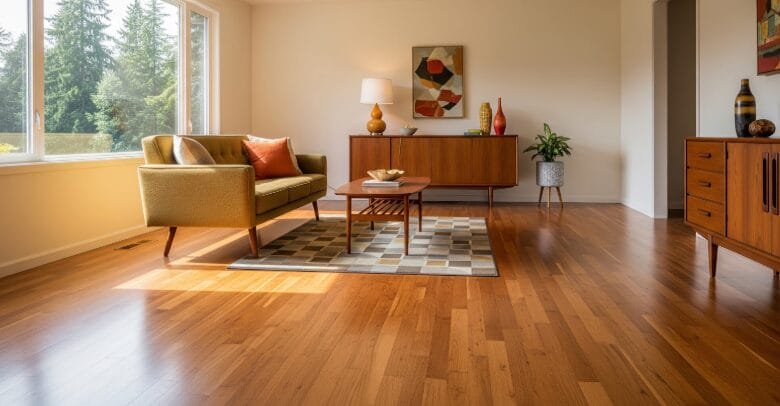
Mid-century homes have a timeless appeal that continues to attract homeowners across Lynnwood and the greater Seattle area. Clean lines, open layouts, large windows, and a strong connection to natural materials define this architectural style. Because wood plays such an important role in mid-century design, flooring becomes one of the most influential choices during a remodel or refresh.
Hardwood flooring fits naturally into these homes because it supports the warm, organic feel that mid-century spaces are known for. But not every hardwood option complements this style equally. The right species, color tone, and sheen level help preserve the character of the home while still feeling updated for modern living.
At Nielsen Brothers Flooring, homeowners often ask how to choose hardwood that respects original architecture without making the space feel dated. The key is understanding how wood species and finish choices affect the overall atmosphere.
This guide explores the best hardwood species for mid-century homes, explains how sheen levels change the look and feel of a room, and helps Lynnwood homeowners create spaces that feel authentic, stylish, and built to last.
Understanding Mid-Century Design Principles Before Choosing Flooring
Before selecting hardwood, it helps to understand the core design principles that define mid-century interiors. Flooring should support these elements rather than compete with them.
Key characteristics include:
Natural materials and earthy tones
Minimal ornamentation
Clean, simple lines
Functional design with visual balance
Warm yet understated color palettes
Mid-century interiors often rely on subtle contrasts rather than bold patterns. Flooring usually acts as a calm foundation that allows furniture and architecture to stand out.
In Lynnwood homes, natural light plays an important role as well. Large windows common in mid-century designs highlight wood grain and finish, making species and sheen choices even more noticeable. Selecting flooring that works with light instead of against it helps maintain the airy, inviting feel these homes are known for.
Best Hardwood Species for Mid-Century Homes
Different wood species bring different personalities into a space. Some feel more traditional, while others align naturally with mid-century aesthetics.
White Oak: A Modern Classic
White oak remains one of the most popular choices for mid-century homes because it offers:
Subtle grain patterns
Versatile color range
Excellent durability
Ability to take a variety of finishes
Its clean appearance complements minimalist interiors while still adding warmth.
Red Oak: Warm and Familiar
Red oak provides slightly more visible grain and warmer undertones. It works well in homes where homeowners want a traditional feel that still fits mid-century styling.
Maple: Smooth and Contemporary
Maple features a more uniform grain, which supports clean-lined interiors. It’s often chosen for homeowners who prefer a lighter, contemporary look.
Walnut: Rich and Sophisticated
Walnut delivers deep, natural color that pairs beautifully with iconic mid-century furniture. While typically more premium, it creates striking visual depth.
Choosing the right species depends on how bold or subtle you want the flooring to feel within the overall design.
Matching Wood Tones to Mid-Century Architecture
Color tone plays a major role in maintaining the authenticity of a mid-century home. Historically, these interiors leaned toward warm, natural hues rather than overly gray or cool finishes.
Popular tone directions include:
Honey and caramel shades
Medium warm browns
Soft natural finishes
Muted earthy tones
Overly dark floors can make spaces feel heavy, while extremely pale or gray tones may clash with original mid-century elements. The goal is balance — a color that feels natural and timeless.
When selecting hardwood flooring, homeowners often find that medium tones offer the most flexibility. They complement wood furniture, highlight architectural lines, and adapt well to evolving design trends without losing that classic mid-century feel.
Understanding Sheen Levels: The Overlooked Design Decision
Sheen refers to how shiny or matte a floor appears. It’s one of the most important yet overlooked factors when choosing hardwood.
Matte Finish
Soft, natural appearance
Hides scratches and dust well
Aligns strongly with modern mid-century updates
Creates a relaxed, understated feel
Satin Finish
Slightly more reflective than matte
Popular balance between natural and polished
Easy to maintain visually
Semi-Gloss Finish
More reflective surface
Highlights wood grain strongly
Can feel more formal or traditional
Mid-century homes generally benefit from lower sheen levels because they emphasize natural materials without adding unnecessary shine. Matte and satin finishes tend to feel more authentic while also being practical for busy households.
How Sheen Affects Light and Space in Lynnwood Homes
Because many mid-century homes feature large windows, sheen level directly impacts how light moves through a space.
Lower sheen floors:
Reduce glare from natural light
Create a softer, more relaxed atmosphere
Hide everyday wear more effectively
Higher sheen floors:
Reflect light strongly
Highlight imperfections more easily
Feel more formal
In the Pacific Northwest, where lighting conditions shift throughout the year, matte or satin finishes often provide the most consistent visual comfort. They maintain warmth during darker months while still feeling bright and open when sunlight fills the room.
Preserving Original Character While Updating Style
Many Lynnwood homeowners want to modernize their mid-century homes without erasing their character. Hardwood flooring plays a big role in striking that balance.
Ways to keep authenticity:
Choose natural-looking stains
Avoid overly trendy gray tones
Keep plank widths moderate or slightly wider
Select finishes that emphasize wood texture
The goal isn’t to recreate the past perfectly. Instead, it’s about honoring original design principles while adapting the space for modern living.
Mixing vintage-inspired furniture with updated flooring can create a layered, collected look that feels intentional rather than staged.
Durability Considerations for Modern Family Life
While design matters, hardwood also needs to perform well in everyday life. Mid-century homes today often house active families, pets, and busy schedules.
Practical durability considerations:
Harder species resist dents better
Matte finishes help disguise minor wear
Quality finishes improve longevity
Proper maintenance protects appearance
Area rugs in high-traffic zones can help preserve flooring while adding softness and visual contrast. Regular cleaning and felt pads under furniture also go a long way toward maintaining the floor’s finish.
Choosing a balance between beauty and practicality ensures flooring continues to look great for years without constant upkeep.
Seeing Samples in Person: Why It Changes Everything
Wood species and sheen levels can look very different online compared to real life. Lighting, texture, and undertones often shift depending on the environment.
Benefits of comparing samples:
See true color variations
Understand grain differences
Compare sheen levels directly
Visualize how flooring works with existing décor
Many homeowners find that the perfect choice becomes obvious once they view options side by side. Bringing samples into the home helps confirm how they interact with wall colors, furniture, and natural light.
Creating a Mid-Century Look That Feels Effortless
The best hardwood choices for mid-century homes feel natural and understated. They support the architecture instead of dominating it. By focusing on the right species, warm tones, and appropriate sheen levels, homeowners can create spaces that feel both timeless and fresh.
Hardwood flooring remains one of the most impactful upgrades for Lynnwood homes because it enhances visual flow, adds warmth, and connects beautifully with mid-century design principles. When chosen thoughtfully, it becomes a long-term investment that elevates everyday living.
If you’re planning a remodel or want guidance choosing the right hardwood for your space, we’re here to help — simply reach out to us to explore options that match your home’s style and your lifestyle.