Why the Waterproof vs. Water-Resistant Debate Matters
If you’ve been shopping for new floors lately, you’ve probably seen the words “waterproof” and “water-resistant” everywhere. They sound similar, but in reality, they perform very differently — especially in a climate like Bellevue’s, where rainy days and moisture are part of everyday living.
At Nielsen Brothers Flooring, we’ve helped Bellevue homeowners make smart flooring decisions for nearly eight decades. We’ve seen the confusion these terms cause, so this guide breaks down exactly what each means, where they work best, and how to avoid costly mistakes during installation or maintenance.
By the end, you’ll know which flooring type suits your space — whether that’s a cozy condo, a busy family kitchen, or a moisture-prone basement.
What “Waterproof” Really Means
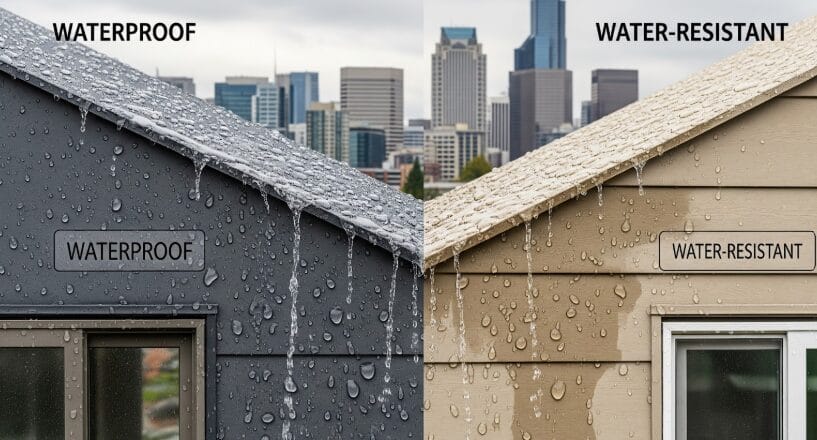
When a floor is truly waterproof, it means water can’t penetrate its surface, seams, or backing — no matter how long it’s exposed. Even if you spill a full glass of water and forget to wipe it up until tomorrow, a waterproof floor will stay intact and undamaged.
Waterproof flooring is ideal for:
-
Bathrooms and laundry rooms where splashes are unavoidable.
-
Kitchens and entryways that deal with frequent spills or wet shoes.
-
Basements where humidity and condensation can be persistent.
Common waterproof materials include luxury vinyl, porcelain tile, and certain engineered products specifically rated for complete moisture protection.
These floors use non-absorbent cores (like PVC or stone polymer composite), tight interlocking edges, and moisture-sealed coatings to completely block water from reaching the subfloor — even after hours or days of exposure.
What “Water-Resistant” Actually Means
Water-resistant flooring provides partial protection against moisture — it resists water for a limited time but isn’t designed for long-term exposure.
Imagine spilling a drink on your kitchen floor. With water-resistant material, you’ve got a few hours to clean it up before it seeps into the seams or causes warping.
Popular water-resistant options include:
-
Laminate flooring with sealed edges and moisture-repelling surfaces.
-
Certain hardwood hybrids that use advanced coatings.
-
Standard vinyl flooring that can handle light moisture but not pooling water.
These floors perform beautifully in living areas, bedrooms, and home offices — but they’re not suited for standing water or high humidity environments.
The key takeaway: water-resistant is not waterproof. It’s protection for life’s everyday spills, not for major leaks or long-term moisture.
How Moisture Affects Flooring in the Pacific Northwest
Bellevue’s weather makes moisture management an essential part of home design. Frequent rain, cool temperatures, and indoor humidity can challenge even the toughest materials.
Floors that aren’t properly protected may experience:
-
Warping and swelling in wood-based products.
-
Mold or mildew growth under flooring layers.
-
Discoloration and adhesive failure in older vinyl or laminate.
That’s why homeowners here often choose waterproof flooring — it’s built to handle everything from damp air to surprise plumbing issues without losing shape or structure.
If your space experiences regular humidity or frequent water contact, investing in waterproof flooring can prevent long-term repair costs.
Comparing Performance: Waterproof vs. Water-Resistant
Here’s how these two categories stack up in the real world:
Durability
-
Waterproof: Unaffected by moisture, stable in all conditions.
-
Water-Resistant: Holds up well short-term but vulnerable to prolonged exposure.
Maintenance
-
Waterproof: Simple to clean; no special precautions needed.
-
Water-Resistant: Requires prompt spill cleanup and periodic edge inspection.
Comfort
-
Waterproof vinyl or tile: Cool underfoot but compatible with radiant heating.
-
Water-Resistant laminate: Slightly warmer and softer but needs careful moisture management.
Cost
-
Waterproof floors often have a higher upfront price but offer long-term peace of mind.
-
Water-resistant floors are more affordable initially but may require earlier replacement in humid settings.
Choosing between the two comes down to lifestyle — not just looks.
Ideal Rooms for Each Type
When choosing flooring, consider the space’s function, traffic, and exposure to moisture.
Best Rooms for Waterproof Flooring:
-
Bathrooms
-
Basements
-
Kitchens
-
Entryways and mudrooms
Best Rooms for Water-Resistant Flooring:
-
Bedrooms
-
Living rooms
-
Home offices
-
Dining areas
A smart design strategy often mixes both — using waterproof flooring in high-moisture zones and water-resistant materials elsewhere for a warm, cohesive flow.
Installation Tips That Make All the Difference
Even the best waterproof or water-resistant flooring can fail without proper installation. Bellevue homeowners should always rely on professional installers who understand local humidity patterns and subfloor conditions.
Key Installation Musts:
-
Use moisture barriers on concrete subfloors.
-
Seal all expansion gaps and transitions.
-
Choose underlayment designed for your specific flooring type.
-
Allow flooring to acclimate to room temperature before installation.
Nielsen Brothers Flooring’s experienced installers follow best practices to ensure your floors stay watertight, stable, and beautiful year after year.
Maintenance Tips for Long-Term Protection
The best way to protect your investment is simple — regular maintenance and awareness.
For Waterproof Flooring:
-
Mop freely — these surfaces can handle it.
-
Use neutral cleaners to preserve finish longevity.
-
Keep grout or seams sealed if applicable.
For Water-Resistant Flooring:
-
Clean spills immediately.
-
Avoid steam mops or saturated cloths.
-
Place mats in high-moisture zones.
Consistent care helps maintain visual appeal and structural integrity, no matter which type you choose.
Which Flooring Is Right for Your Bellevue Home?
Ask yourself a few quick questions:
-
Does this room see frequent spills or splashes?
-
Is the floor near exterior doors or plumbing fixtures?
-
How much long-term maintenance am I comfortable with?
If your answers lean toward moisture-prone or low-maintenance, waterproof flooring is the smarter investment. For low-risk spaces with occasional spills, water-resistant laminate or hardwood hybrids can still perform beautifully.
The good news? You don’t have to choose blindly. The experts at Nielsen Brothers Flooring can guide you through side-by-side comparisons and samples that match your exact needs, style, and budget.
When you’re ready to protect your home from the Pacific Northwest’s damp reality, reach out to us — our Lynnwood showroom is ready to help you find a waterproof solution that fits perfectly.